

Why Study In Lithuania
- High-Quality Education
- Affordable Tuition Fees
- English-Taught Programs
- Cultural Diversity
- Strategic Location in Europe
- Safety and Quality of Life
- Access to Scholarships and Grants
 ';
';
 ';
';
 ';
';

.png "Width: 593px, Height: 449px")
International students in Lithuania can work part-time while studying, with the opportunity for up to 20 hours per week during the academic year and full-time during breaks. The country offers job prospects across various sectors, and while English proficiency is usually sufficient, knowledge of Lithuanian can be advantageous. Non-EU/EEA students require work permits, which are typically straightforward to obtain. Lithuania values work-life balance and may offer post-study work options.
In Lithuania, bachelor's degrees typically take three to four years, master's degrees range from one to two years, and doctoral programs last around three to four years. However, these durations can vary based on the program and university.
.png "Width: 624px, Height: 448px")
.png "Width: 624px, Height: 448px")
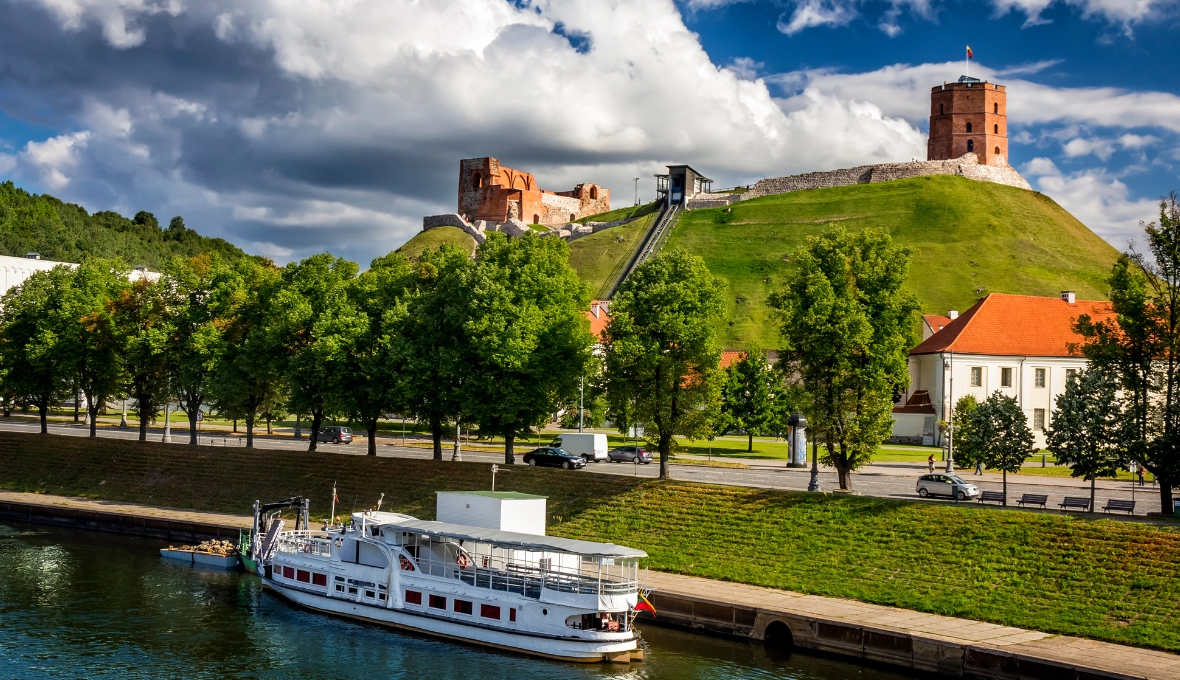
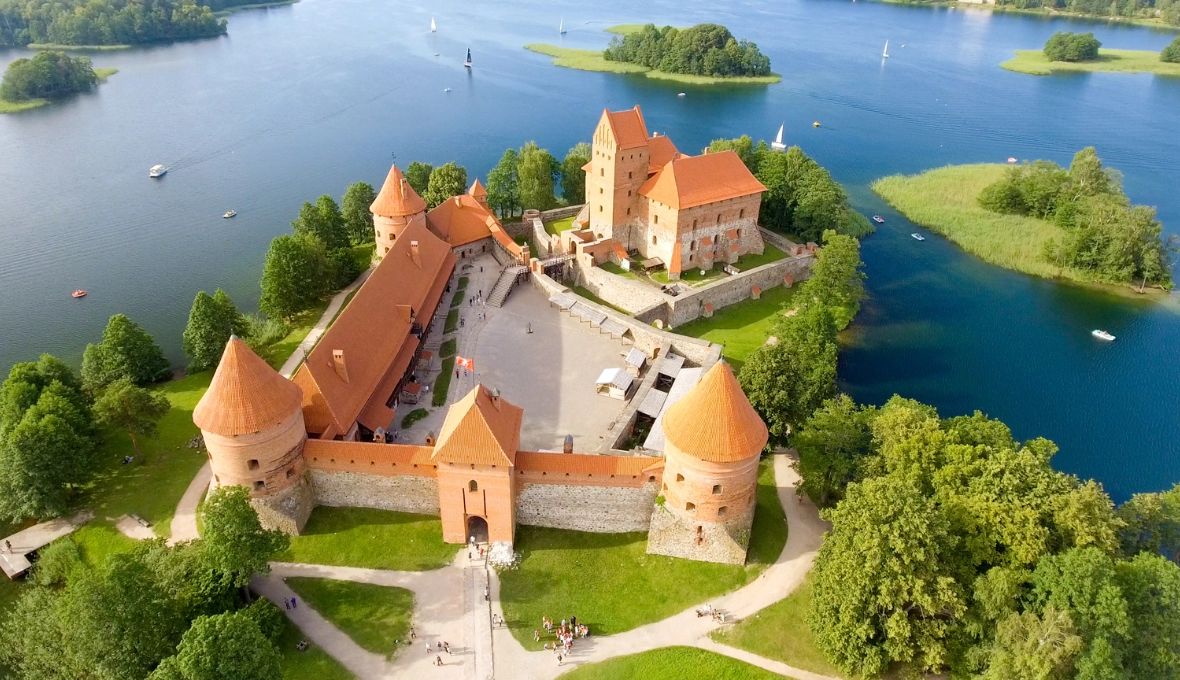
Life in Lithuania for international students offers a friendly atmosphere, affordable living, and a safe environment. The country provides modern infrastructure, stunning natural landscapes, and outdoor activities. Students can engage in a multicultural environment, attend cultural events, and explore neighbouring countries. Studying in Lithuania provides a rewarding experience with academic growth and a vibrant cultural and social lifestyle.
Lithuania has become a popular study destination for international students thanks to its affordable tuition fees and high academic standards. On average, international students can expect to pay between €1,000 and €5,000 per year for bachelor’s degree programs at Lithuanian universities, while master’s programs typically range from €2,000 to €6,000 per year. Tuition fees vary depending on the university, level of study, and field, with public universities generally offering more budget-friendly options.
Specialized programs such as medicine, dentistry, or health sciences usually have higher tuition fees, which can range from €8,000 to €12,000 per year. Overall, studying in Lithuania offers a cost effective alternative to many Western European countries, making it an attractive option for students looking for quality education without high financial pressure.

: Lithuania has a strong educational system with universities that are known for their high academic standards and quality of education. Many universities in Lithuania are ranked in international university rankings, providing a reputable and recognised degree.

Compared to other European countries, the tuition fees in Lithuania are relatively affordable. This makes it an attractive option for international students seeking quality education without a significant financial burden.

Lithuania offers a diverse range of study programs across various fields of study. Whether you're interested in humanities, sciences, engineering, or business, you'll find numerous options to choose from, allowing you to pursue your academic and career interests.

Many universities in Lithuania offer English-taught programs for international students. This makes it easier for non-Lithuanian speakers to pursue their studies without language barriers, and it also enhances their language skills and employability in an international job market.

Lithuania is known for its safety and welcoming environment. The local population is friendly and hospitable, making it easier for international students to adapt and feel at home during their studies.

Lithuanian universities have active student communities and offer a vibrant student life. There are numerous extracurricular activities, clubs, and events that allow students to engage in social and cultural activities, make new friends, and create lifelong memories.
 What are the requirements for bachelor's degree programs in Lithuania
To apply for a bachelor's degree program in Lithuania, you typically need to submit documents such as a passport copy, high school transcripts and certificate, recommendation letters, a personal statement, and an IELTS Academic score
What are the requirements for master's degree programs in Lithuania?For master's degree programs in Lithuania, you generally need to provide university transcripts and certificates, a copy of your passport, recommendation letters, a personal statement, an IELTS Academic score, and a resume/CV.
 CONTACT ADVISOR FOR MORE DETAILS